
Ever since interior design first became a “thing” (which could have been 200 years ago or about 2000 years ago, depending on how you define it), interiors were almost always tethered to the aesthetic conventions of each given period.
Then, relatively recently (the last 30 years), style mixing became a new way to express ourselves. And with modern interior design no longer onlybeing a thing of the noble class, style mixing became a much more diverse and personal way of showcasing likes and life experiences.
Officially, style mixing first became a “thing” when inherited furnishings started to be layered in with more contemporary styles (around about 2005). A huge rise in world travel added to the mix, too, thanks to new sources of styles and inspiration as people discovered different corners of the world.
Eventually, we got where we are today, where style mixing is something most of us just do.
Why’s it so popular today, though? I have a theory…
Think back to the interior design photos you might have seen in magazines 10 years ago, or 20. Having a home that was totally coordinated was THE “thing” to do. People wanted a recognizable “look,” whether it was minimalist or contemporary or whatever…
Today, we’ve gotten over that. We don’t want our homes to look purchased all at once. We want them:
- To look accumulated (in a curated way)
- And to reflect our experiences and tastes
The natural question to ask now is how to mix styles to achieve this.
Here’s every factor I consider when mixing more than one interior design style together…
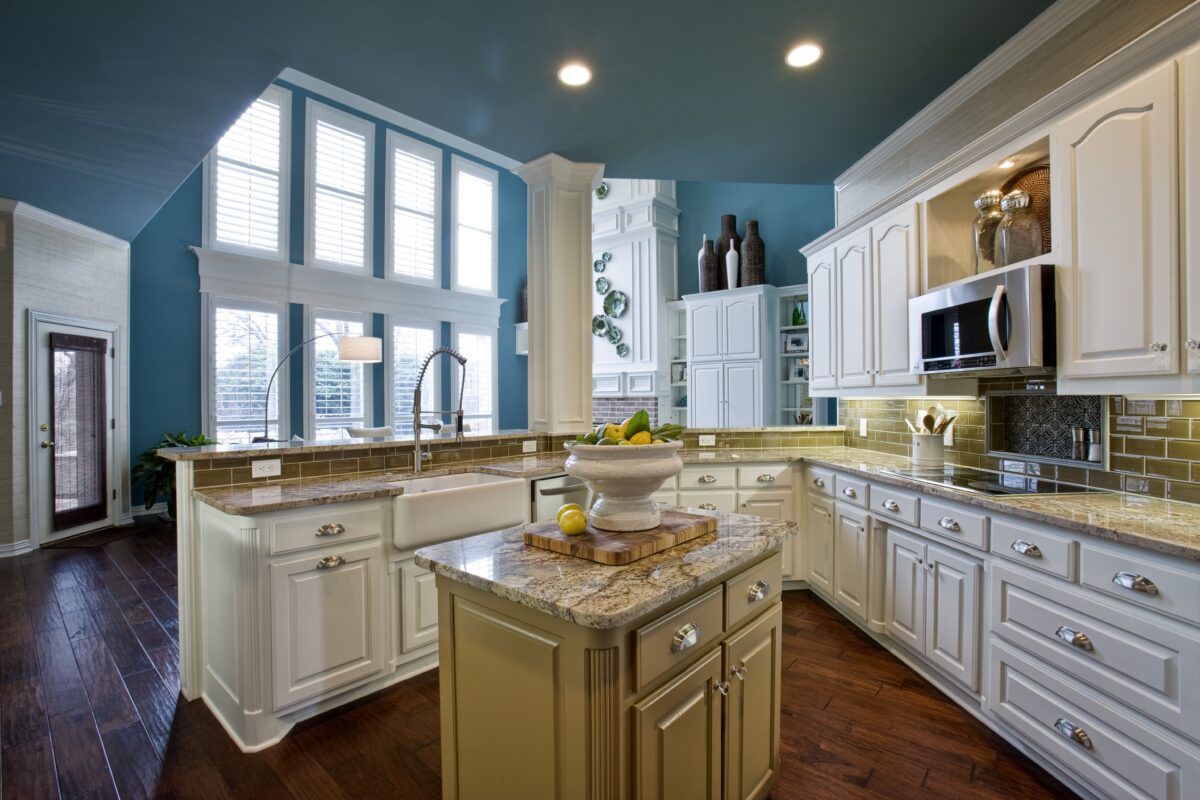
1: The architecture gets a vote
Before considering any interior design styles, I look at the house itself to note the architectural character, usually in:
- Age
- Ceiling heights
- Windows
- Millwork
- Flooring
- Proportions
- Sightlines
You don’t have to decorate a Victorian home like a Victorian home, but pretending it isn’t a Victorian home produces a much less convincing interior. Contrast needs to be intentional!!
2: Which style is the foundation?
Successful style mixing has hierarchy, because if everything competes equally for attention, “eclectic” becomes visual indecision.
3: Know the reason each object is there
Your grandmother’s Georgian chest doesn’t need to match your contemporary house: the fact that it matters to you is enough reason for it to be there.

The design task becomes finding relationships that allow pieces to all belong without disguising what each is.
Read up on how to add historical elements to your home.
4: Era versus style
People often confuse these two!! Pieces from different periods can share remarkably similar proportions, materials or shapes. Just look at the Grandmillennial style or how so much traditional furniture is “in” again today, but with a surprisingly modern look.
Pay more attention to the actual characteristics of an object than its category.
Read up on the history of color use in homes, too…
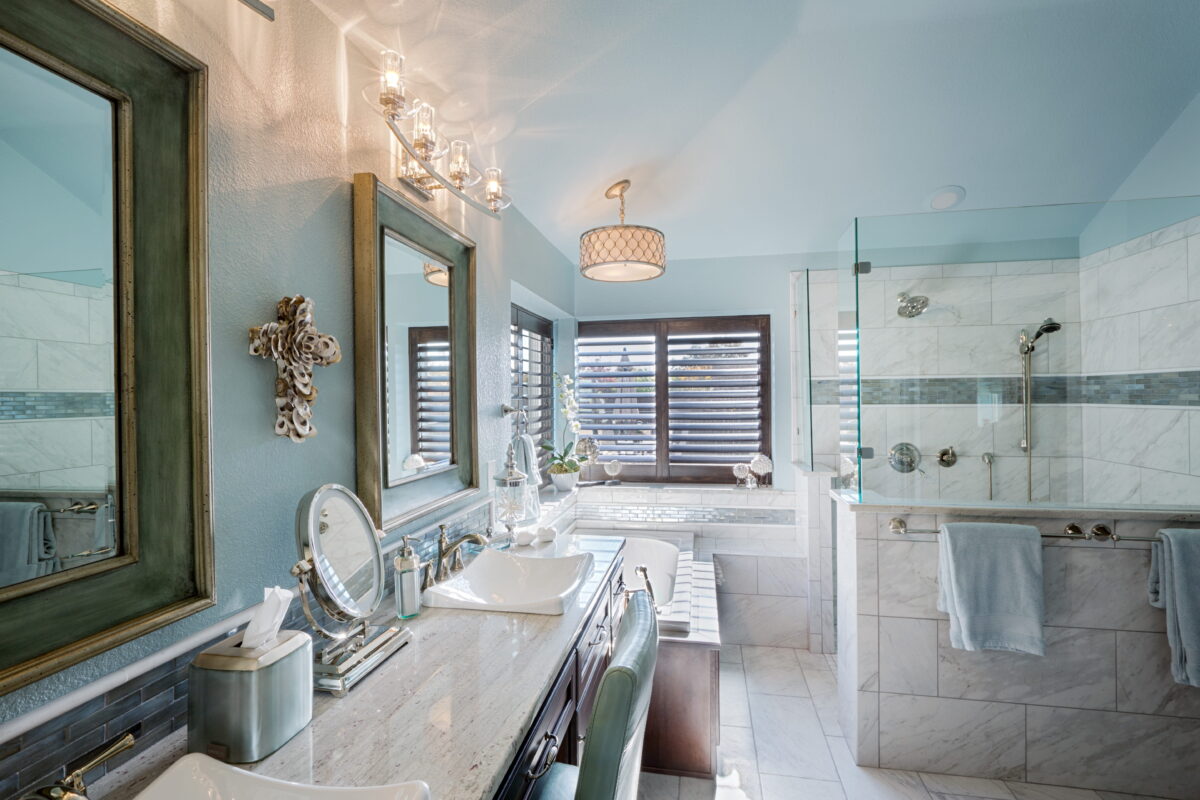
5: Formality level
A rustic antique table and contemporary chairs can both feel relaxed. And if they do, they can go together.
A highly polished traditional dining table paired with casual industrial seating, on the other hand, will feel totally off.
Styles can differ while their degree of formality remains compatible.
6: Visual weight
A delicate antique chair next to an ENORMOUS contemporary sectional represents two completely different scales of visual importance.
These are the visual weight factors matter enormously:
- Silhouette
- Mass
- Leginess
- Upholstery volume
- Negative space
7: Proportion and scale
For that matter…scale is often the invisible reason a mixed room succeeds (or doesn’t). Get scale right and surprisingly disparate things become far more compatible!!
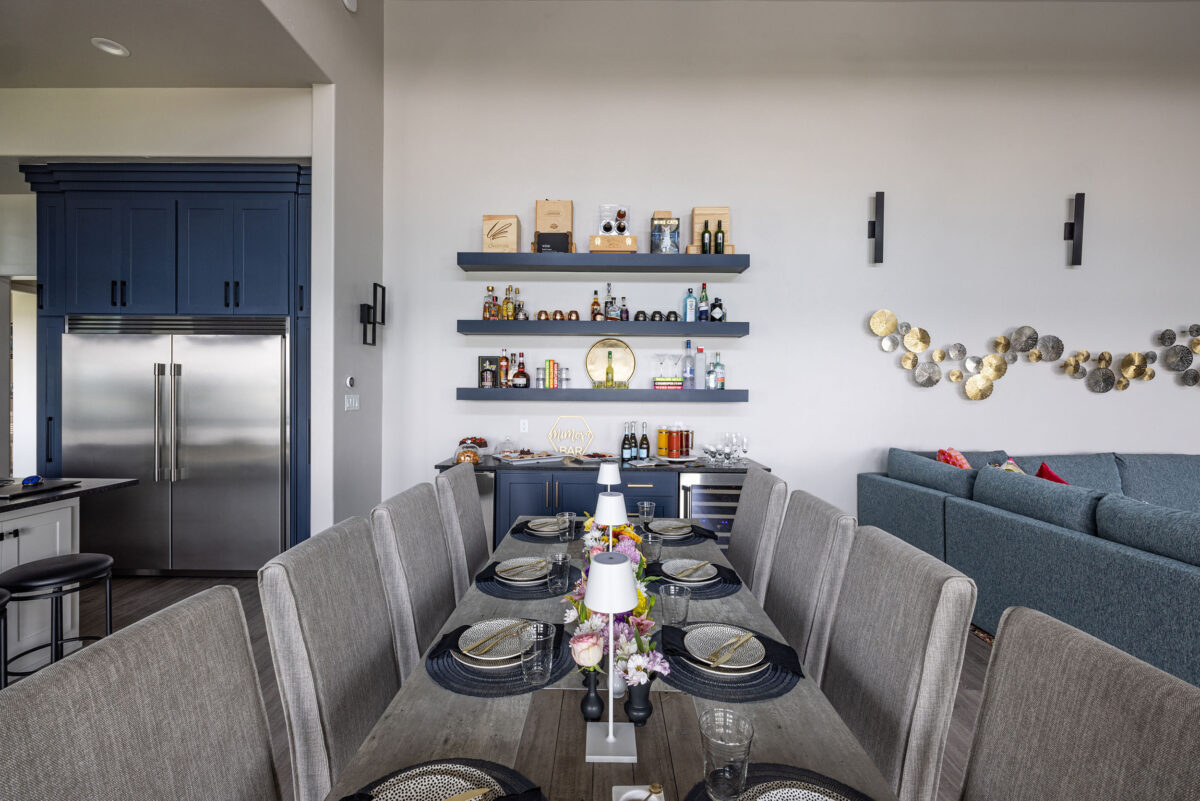
8: Shapes being repeated
You can identify basic geometry in your interior design selections, too. Curves can converse with curves, and strong verticals can repeat across objects otherwise separated by 100 years!!
9: Material relationships
Here, I’m talking about the wood, stone, metal, glass, plaster, linen, leather, ceramic in the items you have or acquire…
These materials can ensure continuity even when the items in questions are VERY different styles.
Think of an antique oak cabinet in a contemporary space whose warm palette echoes the cabinet’s hue, for example…
10: Color connections
Color, too, can make objects from different design styles feel related. Temperature, saturation and undertone each establish kinship without obvious coordination…
11: Patterns and textures
When patterns or textures coexist across your selections, the pieces can really come from any style. Your eye needs somewhere to rest, though! Different patterns can live together, but one pattern needs to be the protagonist.
12: How many “exceptions” can a room can support?
If you have one specific stand-out item in a room (like an antique chandelier in a room with contemporary furniture), it can look SUPER intriguing. If you have fifteen, however, the surprise is spoiled and the room starts to look cluttered.
So, the answer to this question is: “it depends,” but less usually is more.
13: Distribution throughout the room
You don’t want all the antiques on one side and all the contemporary pieces on the other! That’s not mixing, anyway…that’s a side-by-side that will feel segregated. Dissimilar elements need distribution so that your eye understands that it’s all part of one composition.
This matters when considering distribution throughout your whole home, too…
14: Sightlines between rooms
Two styles that coexist beautifully in separate rooms could still clash if those rooms are visible simultaneously.
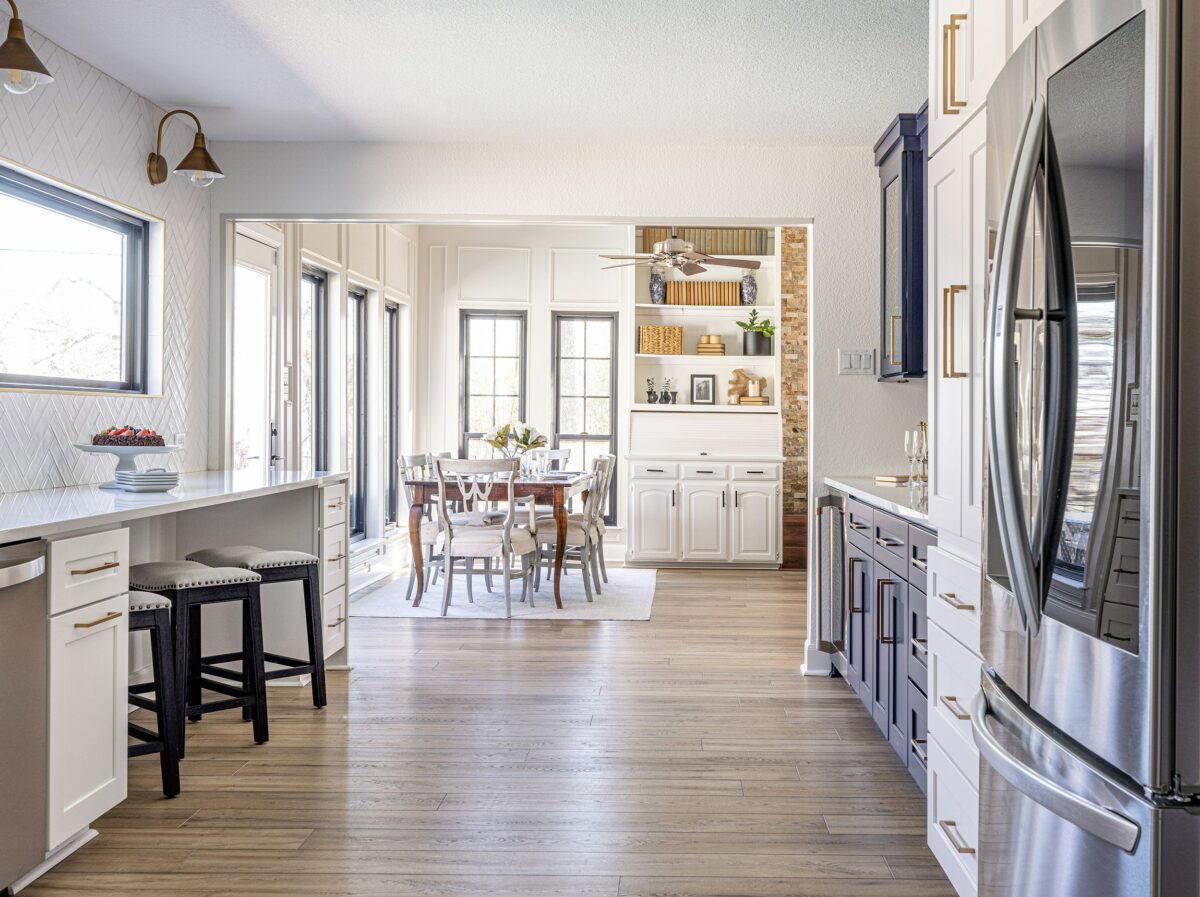

Doorways essentially create frames around neighboring compositions!!
I design what you see through the room as carefully as what you see while standing inside it…learn more about my interior design services here!!
15: The permanent-versus-changeable hierarchy
I am MUCH more cautious about imposing an attention-getting dissimilar style onto expensive permanent elements like your flooring, cabinetry, stone or architectural millwork.
But if we’re talking lamps, furniture or textiles…then we’re focusing instead on elements that can be easily changed later!
16: Authenticity (of materials and objects)
This is one I won’t be shy at all talking about, because I TRULY believe we’ve evolved beyond the picture perfect, bought-at-once spaces limited to a single style.
A genuine old table you inherited then set beside a contemporary sofa ends up being compelling because each item is authentically itself, and each is honestly important to you. You have memories and value associated with one, and personal taste and preference associated with the other.
Problems only arise when one style is represented by imitation, or by pieces acquired fast that don’t relate specifically to you, like faux-aged finishes, gratuitous distressing, fake architectural details…
17: Quality compatibility
Different styles definitely don’t need equal monetary value, but they do benefit from comparable quality.
18: Lifestyle compatibility
Of course this is important!
A beautiful Louis-style chair that nobody is comfortable sitting in doesn’t complete a composition. In fact, it gets in the way of it! Daily.
Children, pets, entertaining habits, hobbies, maintenance tolerance, accessibility and everyday routines should all influence which stylistic elements belong in every space.
19: The role of negative space
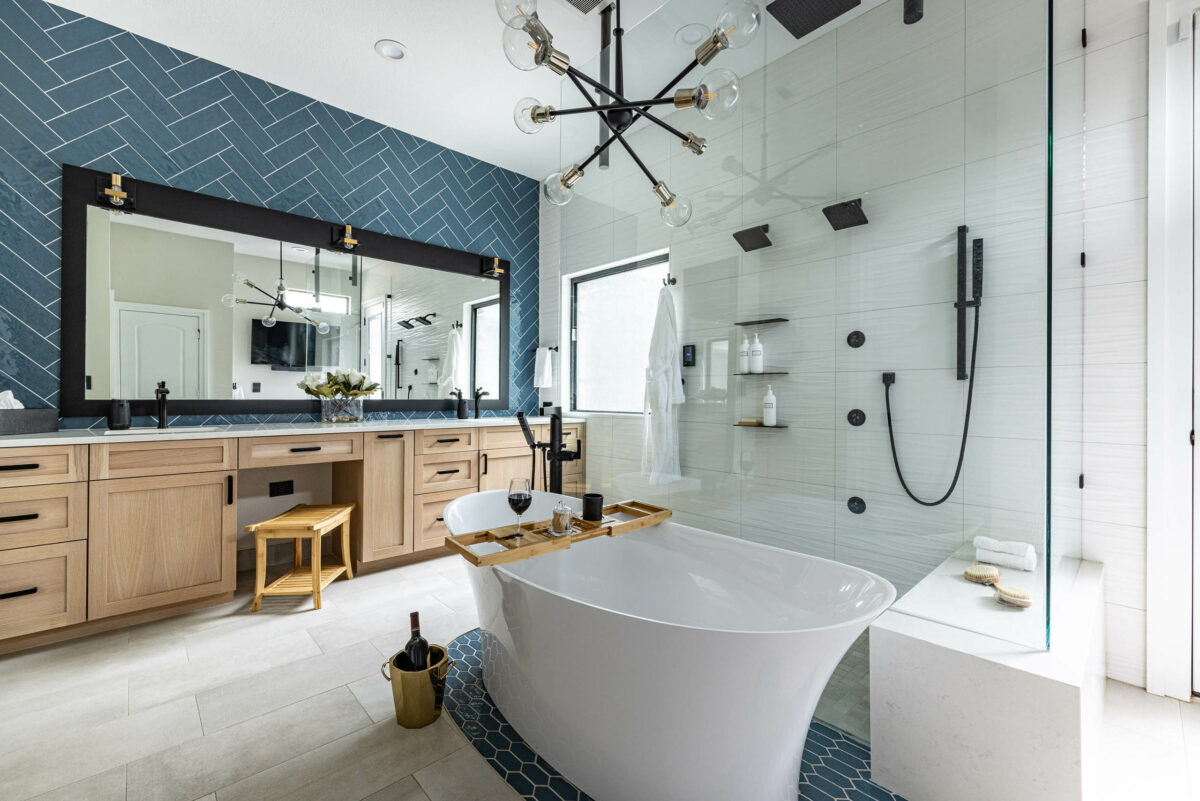
This is important when mixing ornate and contemporary elements most of all. Empty wall space, visible floor and breathing room around furniture are what allow stylistically different objects to be appreciated—and understood.
20: Whether the room could only belong to you, or could belong to just about anyone
This is my favorite test!! Successful style mixing should reduce the likelihood that a home could be replicated from a photograph.
Architecture contributes something first, and then your personal history contributes something else.
Do your remodeling and interior design decisions reflect you? Could your home be imitated in a generic photo of a home that could belong to anyone?
Mixing interior design styles is not the same thing as “eclectic decorating.” When it’s done well, it’s about making your home feel coherent without having to commit to a single style that ultimately limits you.
The question is never whether two styles go together, but whether they can coexist. You’ll know they can if they support: your home’s existing architecture, the objects you value most, and the way you live.
Do you mix styles? Would you like to? How “unique” do you feel your home looks?! Drop a comment to share!!
About the author:

Robin Burrill, RID, NCIDQ, ASID, IDS, CAPS, is an award-winning professional kitchen, bath, and interior designer. Robin and her husband, Robert Mathews, have owned Signature Home Services, Inc. for over three decades, establishing a superior in-house team with a widespread reputation for delivering meticulous design to their many repeat clients.
In 2022, the national publication, Kitchen and Bath Design News magazine, named Robin to their Top Innovator list in recognition of her achievements in the field of kitchen and bath design. In 2024, she was named one of the Fall 2024 Market Pros and “tastemakers” by ANDMORE at High Point Market. In 2024 and again in 2025, Fixr identified her as one of the Top Professional Interior Designers for their nationwide audience. At the start of 2025, she then acted as one of Dallas Market’s “Style Eyes” at Lightovation and Total Home & Gift Market.
Over her extensive career, Robin has been quoted in Architectural Digest and Forbes multiple times; her design work has been featured in top national trade publications; and she has been interviewed for Designers Today magazine’s “Profiles in Design” video series, among others. Widely respected for the depth of her knowledge, Robin is a sought after speaker and judge for many design industry events.
In 2023, Robin designed a bench for Charleston Forge, making her foray into product design. Robin currently serves as a volunteer on the board of the Dallas/Ft. Worth chapter of the Interior Design Society.
Leave a Reply