
When folks google “AI remodel,” they want to use artificial intelligence to generate ideas (generally visual) for their homes. The simplest definition is that remodel AIs can generate some of the same advice and renderings that professional remodelers can.
In practical terms? A homeowner uploads a photo of the kitchen and asks AI to show it with new cabinetry. Another homeowner test paint colors instantly, and another wants to see what the living room might look like with a completely different interior design style.

AI remodel, AI interior design, AI room makeover: Those searches are exploding right now, and I understand why. Most homeowners are not expecting AI to generate construction plans or replace an experienced designer…they just want help visualizing possibilities faster.
But here’s where things start going sideways:
The less specific the homeowner is, the more AI starts generating beautiful-looking nonsense. Generated photos can look convincing, but they become structurally or spatially unsafe or impossible…what’s more, the results are generic and will never reflect YOUR style preferences or lifestyle needs if prompts aren’t specific enough.
AI is STILL an incredible tool for exploration. It just isn’t an expert in how you actually live, move through spaces, entertain, cook, age in place, store things, clean surfaces, or experience comfort over time!!
So, let me show you where AI genuinely shines…and where it WILL sabotage remodel goals instead.
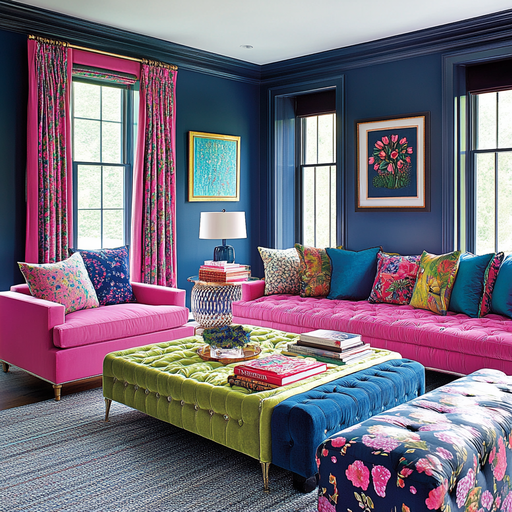
The Smart Ways to Use AI for Home Design Inspiration
All the best ways to use AI for home remodels or interior design have something in common: they help you visualize very specific ideas. AI becomes useful when you already have a direction and just want to explore or compare variations, or test possibilities.
For example, it’s smart to use AI to:
- Test paint colors instantly: Upload a photo of the room in question if you want to compare colors you already like. This is one of the best uses of AI because it accelerates exploration before committing to samples!!
- Visualize a wall removed: Curious what your kitchen and living room might feel like opened up?! AI can instantly show you the emotional impact of openness and sightlines before discussing structural feasibility with a remodeler.
- Compare specific design styles: AI is also fantastic for side-by-side visual experimentation, but ONLY when you have interior design styles already in mind. You can compare something like grandmillennial style versus modern design using the exact same room photo!!
- Insert products you have your eye on: This is fun when you want to add specific appliances or statement lighting you’re already interested in! Some manufacturers, like Graber Blinds, already have visualizers that do this for you, offering access to their whole catalogs…
Where AI Leads You in the Wrong Direction
The common thread with the wrong uses for AI in home remodeling is clear: when you ask it to make big-picture design decisions (or really any decision without enough context), AI will not give you sound OR safe results. It doesn’t understand your routines, your frustrations, your goals, your architecture, your lifestyle priorities. It only predicts visual patterns based on internet imagery.
The LAST thing you want your remodel inspiration to give you is something generic or impossible to build, right?!
These are the tasks NOT to use AI for…instead, you’ll want to talk to a professional remodeler or interior designer.
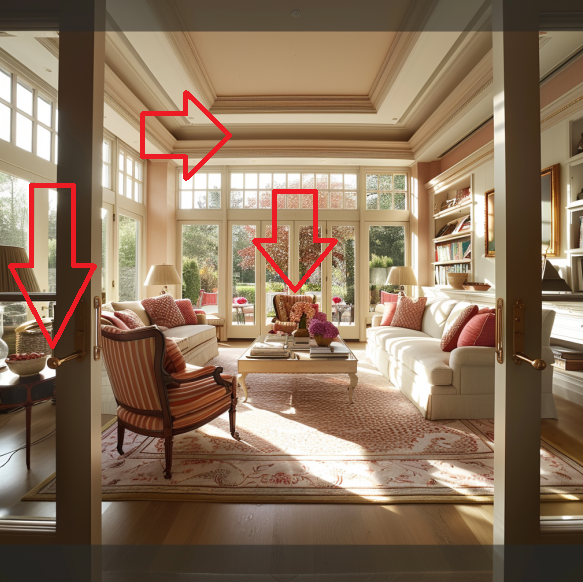
- Suggesting layouts: AI has no understanding of how your household actually uses space. AND it inherently generates layouts with awkward furniture spacing or impossible walkways or poor circulation or blocked views, because those details are not in the meta data that language models consume.
- Asking general questions like, “show me what my kitchen COULD look like…” This almost always pushes AI toward generic, trend-heavy results because the prompt lacks meaningful direction.
- Letting AI dictate your architectural style: Without specific prompts and LOADS of lifestyle context, AI is only capable of forcing homes into trendy categories instead of working with your home’s actual architecture. The unique architecture common in Texas homes, for instance, requires Texas expertise!!
- Using overused language like, “make this room luxury!” AI tends to interpret “luxury” and other buzzwords VERY superficially. You’ll get oversized chandeliers and high ceilings at best. Real luxury is comfort, personalization, functionality, and ease of living.
- Using AI-generated rooms to estimate project cost: AI doesn’t know what’s behind your walls, and AI doesn’t know the labor specifications in your market. You’ll NEVER get a good remodel quote from AI. See what drives remodel costs up, if you’re trying to budget…
- Relying on AI for material compatibility: AI does not understand durability, maintenance, humidity, UV exposure, cleaning realities, or long-term wear. In other words, it will always combine materials that perform terribly together in daily life.
- Asking AI to “make it timeless…” AI struggles with timelessness because it is trained heavily on what is currently popular online.
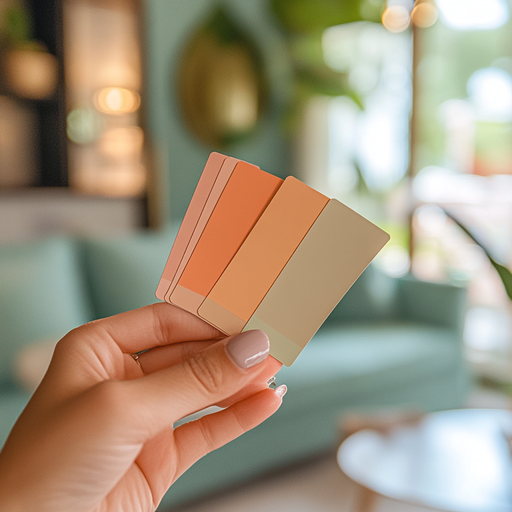
- Using AI to choose paint colors without context: Lighting conditions, flooring materials, ceiling heights, window orientation, and adjacent materials all dramatically affect color. Start with a look at what colors you personally like, then take them to an interior designer!!
- Letting AI reduce your creative exploration too early: This is one of the BIGGEST hidden dangers!! The moment you label something with the terms you know, you’ll limit what AI will find. And the moment you accept an AI generated image as something you want, you close yourself off to discovery.
Use AI the Right Way: for inspiration
Think of AI as a creative companion for your home interiors, NOT as an authority.
That way, your AI-generated inspiration can go right along with your saved pins on Pinterest and the interior design influencer content you scroll through on Instagram…it comes together as your inspirational springboard, giving you a running head start when it is time for your next project.
Once you’ve had fun generating early ideas and discovering more of what resonates with you emotionally, that’s when the real transformation begins. At that point, it’s no longer about what’s artificial…it’s about what’s real to YOU. Combine the inspiration with a professional’s technical understanding, and your real transformation begins!!

Schedule a 15-minute video conference with me, personally, to get started!
About the author:

Robin Burrill, RID, NCIDQ, ASID, IDS, CAPS, is an award-winning professional kitchen, bath, and interior designer. Robin and her husband, Robert Mathews, have owned Signature Home Services, Inc. for over three decades, establishing a superior in-house team with a widespread reputation for delivering meticulous design to their many repeat clients.
In 2022, the national publication, Kitchen and Bath Design News magazine, named Robin to their Top Innovator list in recognition of her achievements in the field of kitchen and bath design. In 2024, she was named one of the Fall 2024 Market Pros and “tastemakers” by ANDMORE at High Point Market. In 2024 and again in 2025, Fixr identified her as one of the Top Professional Interior Designers for their nationwide audience. At the start of 2025, she then acted as one of Dallas Market’s “Style Eyes” at Lightovation and Total Home & Gift Market.
Over her extensive career, Robin has been quoted in Architectural Digest and Forbes multiple times; her design work has been featured in top national trade publications; and she has been interviewed for Designers Today magazine’s “Profiles in Design” video series, among others. Widely respected for the depth of her knowledge, Robin is a sought after speaker and judge for many design industry events.
In 2023, Robin designed a bench for Charleston Forge, making her foray into product design. Robin currently serves as a volunteer on the board of the Dallas/Ft. Worth chapter of the Interior Design Society.
Leave a Reply