
Are you at home? Great. Walk into another room. Then flip on the lights…and look.
But look at the light itself. What I mean is…how the light falls on the walls, and how it reflects off the floor, and what it illuminates. Or what it doesn’t illuminate.
If you look at the actual light close enough, the shadows falling in the wrong places will come into focus, and the unintentional patches of glare will start to hurt your eyes. These are lighting design errors that are predictable…and, unfortunately, repeated EVERYWHERE.

I can walk into almost any home (new builds, remodels) and, within minutes, point to the exact lighting decisions that are working against each space.
…But most of these don’t look like mistakes…you just feel them, indescribably, later.
Keep reading to see how to audit your spaces (or, why not, every other home you walk into)!!
Mistake 1: Using Only One Overhead Light to Illuminate a Room
This is shockingly common. There’s one fixture in the center that’s expected to do EVERYTHING. This strips the room of dimension…you get shadows exactly where you don’t want them. Not to mention, the space feels totally lifeless.
| What it causes: | Why it happens: |
| Flat, shadowy spaces; harsh top-down shadows; poor visibility where it matters | Builder defaults; cost efficiency; and a lack of questioning what’s “standard” |
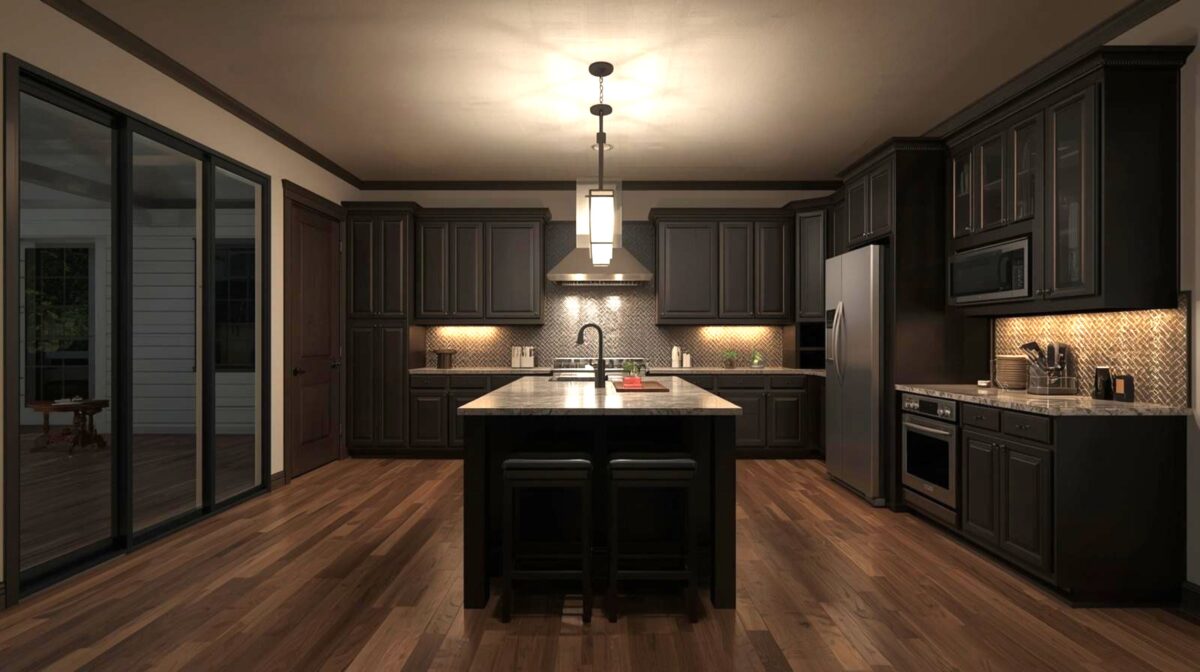
Mistake 2: Not Layering Ambient, Task and Accent Lighting
When every light in a room is trying to do the same job, the room will have no range or flexibility. This means a space can feel fine during the day, but completely wrong at night (or vice versa).
| What it causes: | Why it happens: |
| Illumination that’s either too dim or too harsh; lack of adaptability for different uses | Lighting is selected decoratively instead of strategically (and not planned early enough) |
Keep reading to learn how to layer lighting in your home!!
Mistake 3: Mixing Warm and Cool Light Sources in the Same Space
This is one of those mistakes you feel before you can put it into words. Something looks off, starting with skin tones looking odd or unnatural.
| What it causes: | Why it happens: |
| A disjointed, uncomfortable atmosphere; inconsistent material appearance | Bulbs and fixtures are purchased over time without a unified lighting plan |
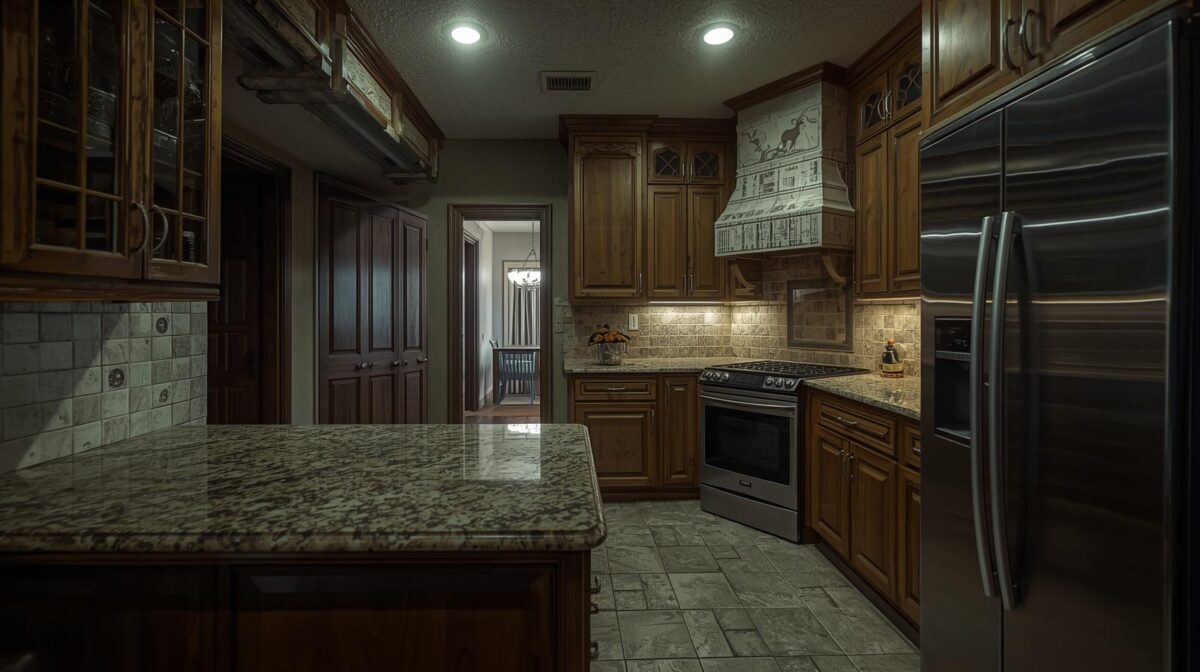
Mistake 4: Placing Recessed Lights in a Grid Instead of Where Light Is Needed
Perfect rows across the ceiling might look organized, but they rarely align with how a room is actually USED.
| What it causes: | Why it happens: |
| Glare; misplaced shadows; and the “Swiss cheese ceiling” effect | Standard spacing rules are followed without considering furniture or function |
Mistake 5: Skipping Task Lighting (in Functional Areas)
A stunning kitchen, but where you prep in your own shadow…what a disappointment!! Or how about that reading nook with depressingly insufficient light?! Layered lighting is a must, but even in rooms that have it, improperly planned task lighting will become a never-ending frustration.
| What it causes: | Why it happens: |
| Eye strain; shadowed work zones; reduced usability | Overhead lighting is assumed to be sufficient; function is (irresponsibly) overlooked |
Mistake 6: Installing Lights Without Dimmers
Lighting that only operates at one intensity will almost always be “wrong for the moment!!” Too bright at night and too harsh for entertaining…but too dim for cooking, game playing, reading, or cleaning. Control is everything, y’all.
| What it causes: | Why it happens: |
| No mood control; overly bright or harsh environments; lack of flexibility | Dimmers are treated as optional upgrades instead of essential components |
Mistake 7: Choosing Fixtures That Are the Wrong Size for the Room
Scale is another one of those things your eye picks up instantly, even if you can’t put it into words. A fixture that’s too small underwhelms the space. Too large, and it overwhelms it.
| What it causes: | Why it happens: |
| Poor light distribution; visual imbalance; a room that feels subtly “off” | Fixtures are chosen without considering room size, ceiling height, and proportions (together) |
Keep reading to learn how to scale furniture and fixtures right in your home!!
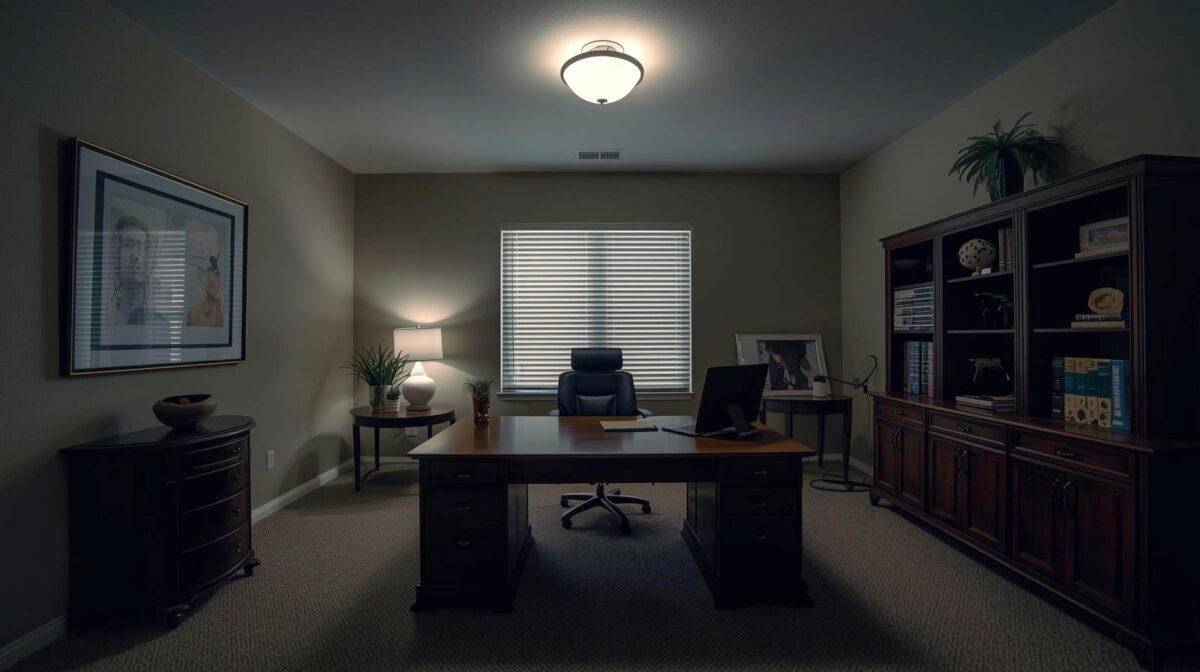
Mistake 8: Lighting Only the Floor Instead of the Walls
Brightness in a room comes from how we light vertical surfaces. Bet you didn’t know that!! Therefore, when walls are left dark, the entire room feels dim, even with PLENTY of lights overhead.
| What it causes: | Why it happens: |
| Lack of depth; rooms that feel darker than they are; minimal visual interest | Lighting plans focus downward instead of considering how light interacts with surfaces |
Mistake 9: Installing a Single Light Above the Bathroom Mirror
This one is everywhere!! And it’s sooo unflattering. A single overhead vanity light casts shadows downward, emphasizing under-eye areas and making everyday tasks harder than they should be…
| What it causes: | Why it happens: |
| Shadows under eyes and chin; poor grooming visibility | Unfortunately, this is a common builder standard and rarely reconsidered |
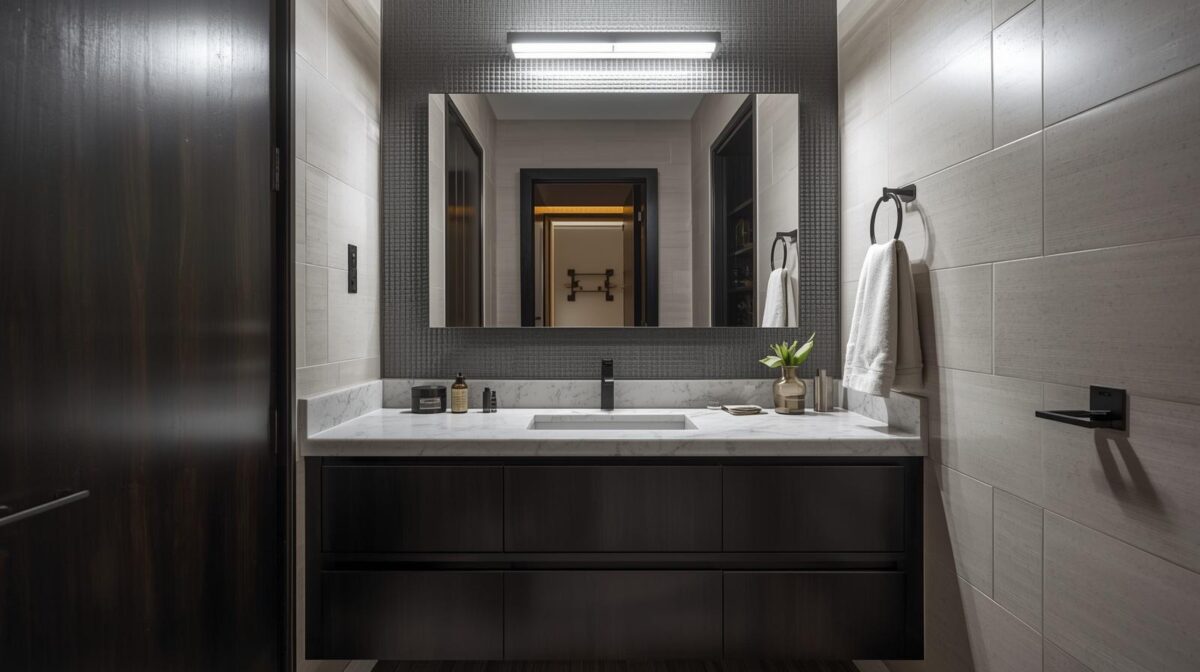
Mistake 10: Not Designing Lighting Around Natural Daylight
It’s such a “duh” thing to say, but natural light changes throughout the day! So why shouldn’t your lighting be designed to respond to it?!
| What it causes: | Why it happens: |
| Imbalanced lighting throughout the day; inconsistent atmosphere | Artificial lighting is planned statically without considering daylight patterns |
Mistake 11: Using Cool White Lighting in Living Spaces
Cool white lighting has its place, but it’s NOT in spaces meant for relaxation, intimacy, or comfort!!
| What it causes: | Why it happens: |
| A cold, clinical atmosphere; reduced comfort | “Brighter” is mistaken for “better;” or default contractor selections are used |
And since I think y’all need it, here’s a “cheat sheet” for bulb temps (in Kelvins)…
- 2200K-2700K: Very warm, golden light (that cozy candlelight feel)
- 2700K-3000K: Warm white (this is the residential standard)
- 3000K-3500K: A more neutral warm
- 4000K: “Office-y” cool white
- 5000K-6500K: Daylight or blue-white
Mistake 12: Not Using Accent Lighting to Highlight Features
Without accent lighting, everything in a room will carry equal visual weight. (Boring!) What a way to do your focal points a disservice!!
| What it causes: | Why it happens: |
| Lack of depth, contrast, and focal points | Accent lighting is often cut from budgets or underestimated in importance |
Mistake 13: Waiting Too Long to Plan Lighting
When lighting is decided late (as an afterthought or as a “final touch” in your design), you end up “filling in the blanks” or reacting instead of really DESIGNING. That’s when compromises happen that are difficult (and quite pricey) to fix later…
| What it causes: | Why it happens: |
| Limited options; compromised layouts; costly retrofits | Lighting is treated as a finishing touch instead of a foundational design decision |
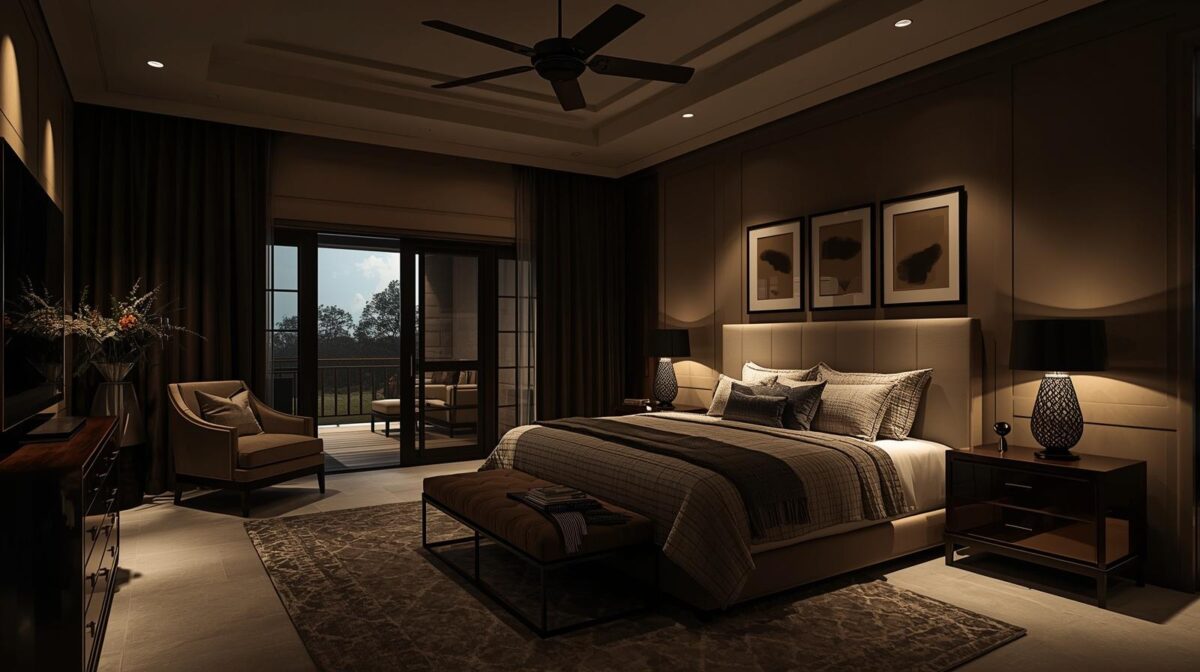
THE PAYOFF:
Once you can recognize these lighting mistakes in a room, everything shifts. You’ll notice where shadows fall, or where light feels harsh. And you’ll start to understand exactly why.

If you haven’t already, walk into a room in your home and turn on the lights. Really LOOK, just like I describe above. Then, drop a comment or schedule a 15-minute Zoom call to tell me what you see!!
About the author:

Robin Burrill, RID, NCIDQ, ASID, IDS, CAPS, is an award-winning professional kitchen, bath, and interior designer. Robin and her husband, Robert Mathews, have owned Signature Home Services, Inc. for over three decades, establishing a superior in-house team with a widespread reputation for delivering meticulous design to their many repeat clients.
In 2022, the national publication, Kitchen and Bath Design News magazine, named Robin to their Top Innovator list in recognition of her achievements in the field of kitchen and bath design. In 2024, she was named one of the Fall 2024 Market Pros and “tastemakers” by ANDMORE at High Point Market. In 2024 and again in 2025, Fixr identified her as one of the Top Professional Interior Designers for their nationwide audience. At the start of 2025, she then acted as one of Dallas Market’s “Style Eyes” at Lightovation and Total Home & Gift Market.
Over her extensive career, Robin has been quoted in Architectural Digest and Forbes multiple times; her design work has been featured in top national trade publications; and she has been interviewed for Designers Today magazine’s “Profiles in Design” video series, among others. Widely respected for the depth of her knowledge, Robin is a sought after speaker and judge for many design industry events.
In 2023, Robin designed a bench for Charleston Forge, making her foray into product design. Robin currently serves as a volunteer on the board of the Dallas/Ft. Worth chapter of the Interior Design Society.