
When something breaks, or something leaks, your home forces a decision.
But that’s not how well-designed homes are managed—and it’s definitely not how they’re elevated.
What I see over and over (and over and over…) again is a series of decisions with JUST as big an impact on your happiness. It’s how homes drift. Because nothing feels urgent, nothing gets addressed.
But there IS a moment—usually long before anything breaks—when a space crosses a threshold. A point of no return. And once you’ve crossed it, waiting comes with a cost.
Sometimes that cost is obvious: safety, structural integrity, etc. But just as often, that cost shows up in mental health and how you live.

I want you to pause on that for a moment. Because, YES, that matters.
Keep reading, and you’ll discover the way to recognize when something has crossed from “we’ll deal with it later” into “this can’t wait.”
How to recognize that “point of no return”
Think of this as a quick mental walkthrough if you aren’t at home. But if you are, go space by space and ask yourself:
- What have I normalized? This means: what feels off or is less than convenient, yet you’ve totally normalized it?? For example, a step you have to be careful walking over, or a lamp that’s inconvenient to get to, or moving your phone around the whole time you cook because there’s no real place to leave it…
- Does this space require effort? Do you have to think about how to use each space well?
- Is this a repeat issue? Have you fixed or “dealt with” something in this space more than once?
- What am I avoiding? Which spaces or features do you use less than you would think? Or less than you would want? Avoidance is ALWAYS a signal!!
- Does this reflect my life right now? Or are you living in a version of your home that no longer fits?…
If you answered “yes” to even one of these, pause. And if you see multiple across your home…you’re past the point where waiting is neutral.
Yes, an issue might be far from urgent, but even recognizing that it’s NOT neutralis like putting glasses on. Suddenly things come into focus!!
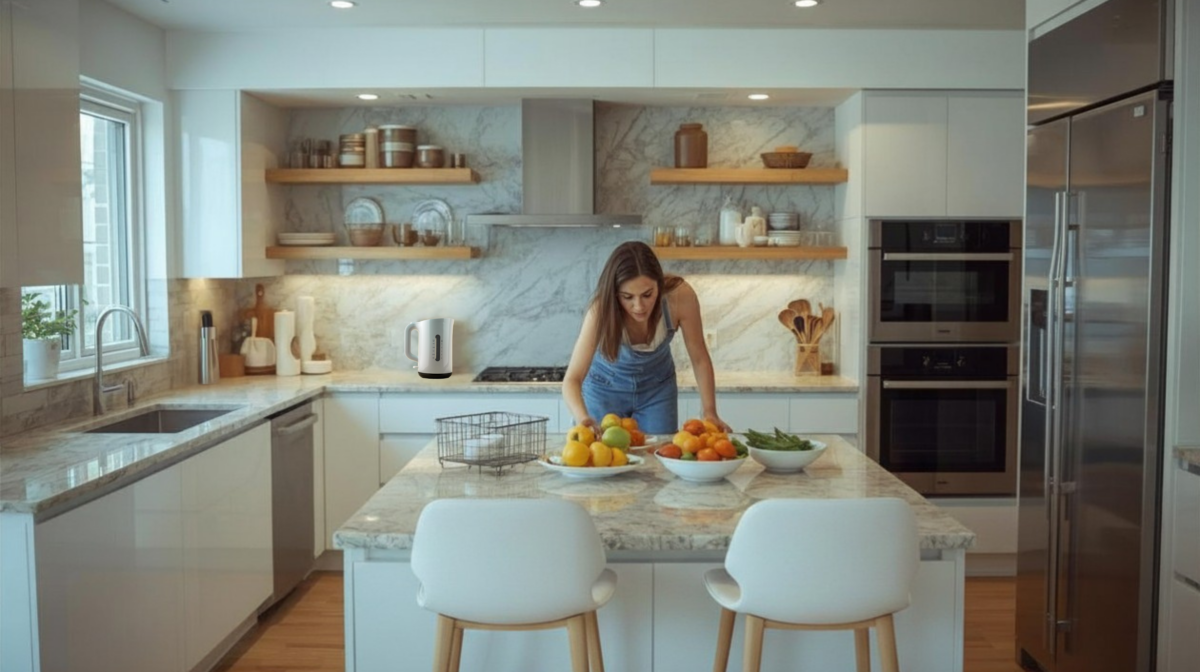
Category 1: Safety Risks
In this category of home updates, it’s pretty clear when you cross the threshold of a fix becoming urgent. It might be a leak, or a broken system, or an aging material.
There’s still a way to look at this category differently, though…why not get ahead of the almost-crises BEFORE they happen? Here’s how:
If you don’t fully trust it, it’s already crossed the line.
Now, go back to your walkthrough questions and identify specific things from this category, for example:
- That step you’re always careful walking over
- That outlet where plugs get stuck, or whose cover is singed or loose
- That area that always seems slightly damp or musty
I get it, you’ve lived with it for a while. It’s not serious yet. But just because it’s familiar does NOT mean it’s safe.
If a child, a guest, or even you on an off day would be at risk, then this is not a “someday” project. Contact a professional—your local handyman for the small stuff—and get a move on today!!
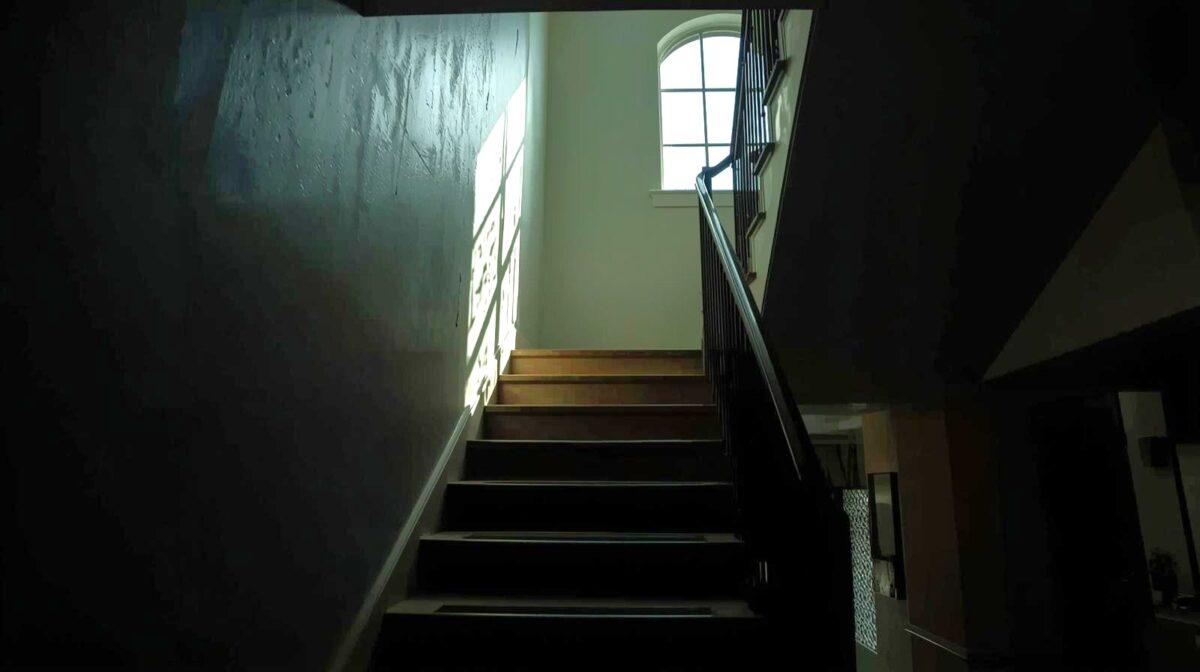
Category 2: Visible Wear and Material Breakdown
This one hides in plain sight, ESPECIALLY in the most beautiful homes. (Because, if it’s beautiful, no updates are needed, right?!)
But now, go back to your walkthrough questions, and review anything you uncovered. Ask yourself now:
- Have you dealt with this before?
- Are you repairing the same thing again?
- Are you noticing wear that doesn’t match the level of home you want to live in?
Here’s where y’all might get stuck: you keep maintaining something that is quietly declining. You know…the touch-ups and fixes…the adjustments…
But, the point of no return? Where is it? Simple: that comes when you’re NO longer preserving quality, but rather managing deterioration.
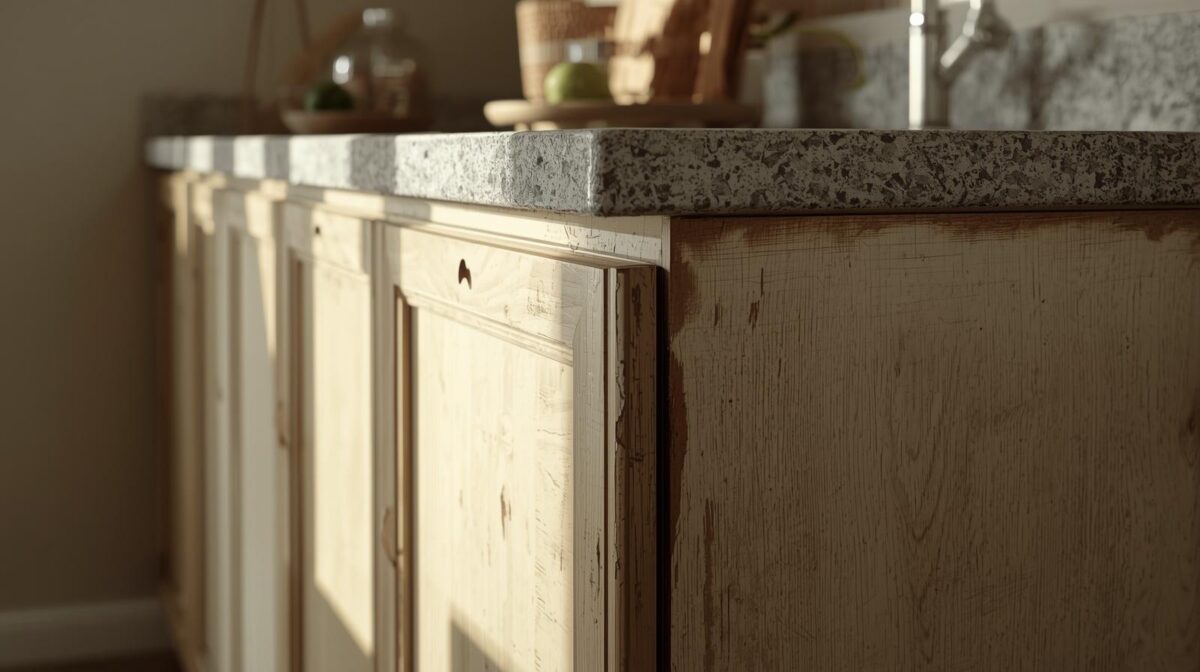
Category 3: Performance and Daily Function
This is one of the most overlooked categories because, technically, everything works.
But go back to your walkthrough questions…
- Does this space require effort?
- Do you have to think about how to use it well?
- Are you constantly adjusting?
These cases show up in kitchens all the time. I also see it in bathrooms, storage, lighting…
It’s when you’re managing your home instead of your home supporting you.
You might not have stated it that way before, but now you sure will!!
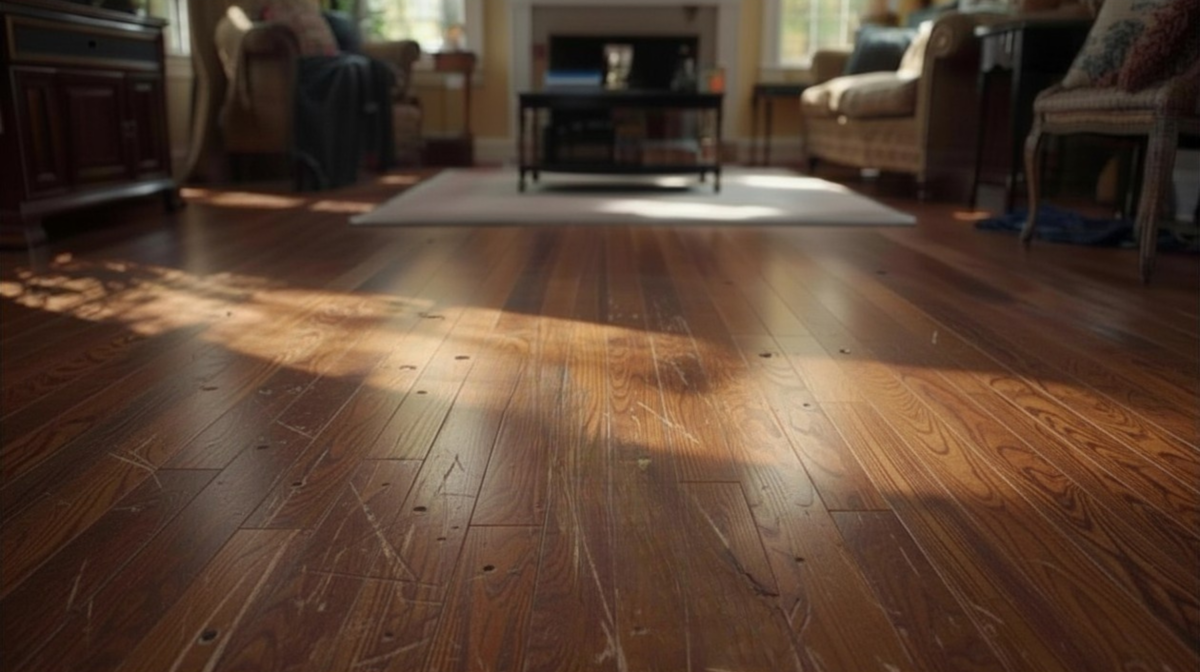
Category 4: Life Changes That Come with Adaptation
This is another category where things can shift quickly…but for multiple reasons, we don’t think about the changes required in our home as a result…
For instance, if someone has major surgery or injury that causes a change in mobility, temporarily or long term. That’s a change that demands something new from your home.
Or if your parents are aging and, whether or not they live with you, come to visit often. Their safety is important.
Or how about a new baby?! Or when someone starts working from home?
Even entertaining more often can trigger new requirements from your home…
So, go back to your questions!!
- Does this reflect my life right now?
If the answer for any key space is no, you’ll feel it in small ways first, then those small things will become dragging disappointments.
Don’t try to force your home to work. (You know…temporary fixes, rearranging…) When your daily life has changed and your home hasn’t, waiting will only create more friction.
Category 5: Lifestyle and Mental Wellbeing
I want to go back to two of those walkthrough questions…
- What am I avoiding?
- What have I normalized?
This is where your answers get most interesting to me!! It’s where you probably can’t put the problem into words, or see the “fix,” without first talking to a professional designer. That’s why we’re professionals—we can identify the problems and articulate the solutions in a way that fundamentally changes how you live.
Here’s the “point of no return” in this category:
Even if it did before, your home is no longer contributing to your quality of life—now, it’s quietly taking away from it.
This is also the category that homeowners are QUICK to dismiss. But you live here, every single day. When your environment feels heavy, uninspiring, inconvenient…that follows into your mood and HOW you spend your time.
Are you actually enjoying your home the way you want to?! The way you could be?
If the answer is “no,” let’s talk.
Now that you see it…what’s next?
If you’ve crossed the point of no return in ANY of these categories, what come next?
You only have two options:
- Go back to normal and just deal with it
- Or recognize that waiting is no longer a neutral stance to take
Ready to talk about what you found in your home?? You can schedule a free 15-minute video conference with me right here. Let’s get your transformation started!
About the author:

Robin Burrill, RID, NCIDQ, ASID, IDS, CAPS, is an award-winning professional kitchen, bath, and interior designer. Robin and her husband, Robert Mathews, have owned Signature Home Services, Inc. for over three decades, establishing a superior in-house team with a widespread reputation for delivering meticulous design to their many repeat clients.
In 2022, the national publication, Kitchen and Bath Design News magazine, named Robin to their Top Innovator list in recognition of her achievements in the field of kitchen and bath design. In 2024, she was named one of the Fall 2024 Market Pros and “tastemakers” by ANDMORE at High Point Market. In 2024 and again in 2025, Fixr identified her as one of the Top Professional Interior Designers for their nationwide audience. At the start of 2025, she then acted as one of Dallas Market’s “Style Eyes” at Lightovation and Total Home & Gift Market.
Over her extensive career, Robin has been quoted in Architectural Digest and Forbes multiple times; her design work has been featured in top national trade publications; and she has been interviewed for Designers Today magazine’s “Profiles in Design” video series, among others. Widely respected for the depth of her knowledge, Robin is a sought after speaker and judge for many design industry events.
In 2023, Robin designed a bench for Charleston Forge, making her foray into product design. Robin currently serves as a volunteer on the board of the Dallas/Ft. Worth chapter of the Interior Design Society.
Leave a Reply