
Remodeling bids vary wildly, even for the same project. But why?! You’ll see numbers that are tens of thousands of dollars apart…surely, you aren’t comparing apples to apples, are you?
Of course not!

There is a fundamental difference between a contractor who prices labor and materials versus a full-service design-build remodeler who prices the entire experience of getting a project from concept to completion. And that difference shows up line by line in what’s included and what’s quietly left out.
(See the distinction between a contractor and design-build remodeler here.)
The lowest bid represents only a fraction of what it actually takes to complete a remodeling project. Anything not included in the scope doesn’t disappear, either—it simply becomes your responsibility later, whether in the form of:
- Added costs
- Delays and setbacks
- Stress and uncertainty
- Project management that you’re left to do on your own
This list is meant to make those gaps visible!!
Here, you’ll find a series of tables showing what the lowest remodeling bids do not include. Each table can be used as a checklist when reviewing proposals of your own…so you can see what you’re paying for, what you’re not, and where the real differences between bids actually live…
Design and Planning
This includes everything required to turn an idea into a buildable plan: space planning, layout decisions, material selections, coordination with structural or code requirements, and finalizing all decisions before construction begins.
Low bids often exclude design entirely or assume it will “work itself out” during construction. When design and planning are included from the start, the budget is FAR more accurate and construction moves forward with fewer surprises.
| What to look for | What it covers |
| Layout and space planning | Determines how rooms and fixtures are arranged so the space meets code and supports how YOU use your home. |
| Interior design services | Guidance on materials, finishes, fixtures, and aesthetics to ensure intentional decisions and cohesive selections. |
| Material and finish selections | Identifying, comparing, and selecting the final products that fit everything from your design intent to budget, performance needs, and even the product availability timelines. |
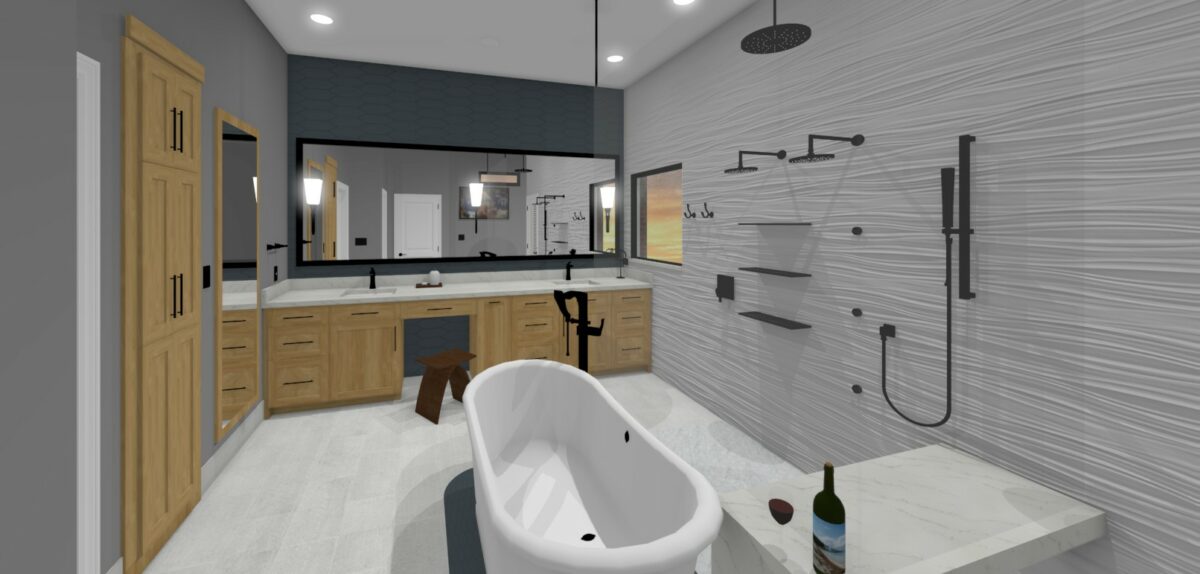
| Plan drawings (3D renderings) | Scaled and accurate drawings you can rely on for work done correctly…AND to get your full approval on the planned design!! |
Project Management and Oversight
Project management covers all day-to-day orchestration of your project’s construction. That includes scheduling trades, managing communication, solving problems as they arise, and protecting your overall plan from drifting off course…
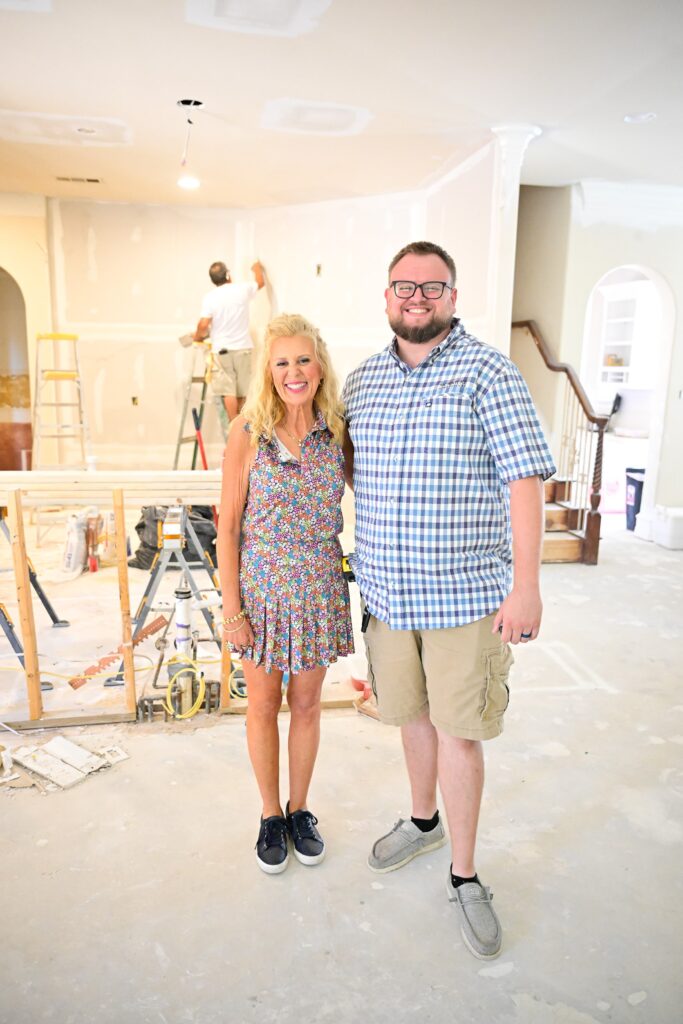
In low bids, the assumption is that someone will “keep an eye on things” while also doing other work. In a design-build remodel, project management is a defined responsibility, meaning a devoted member of the team is accountable for the experience.
| What to look for | What it covers |
| Dedicated project manager | Someone responsible for overseeing the project from start to finish, serving as the primary point of accountability. |
| Daily schedule management | Actively managing who is on site, when, and how their work fits into the overall schedule. |
| On-site supervision | A regular presence to monitor progress, quality, and adherence to plans (i.e., not just sporadic visits). |
| Timeline and sequencing | Someone responsible for keeping your project moving in the correct order so delays don’t cascade. |
| Problem-solving during construction | People on-site who know how to identify and address issues immediately instead of reacting later (or not at all). |
Production Structure
This category reflects how work is actually done in the field. It includes quality control and oversight to ensure all work meets the established standards.
Lower bids come from operations without a structured production team, meaning work relies heavily on whoever is available. In a professional remodeling operation, a specific production structure exists to protect quality across every phase of construction.
| What to look for | What it covers |
| Lead carpenter | An experienced professional on site who ensures workmanship meets standards and that plans are followed correctly. |
| Consistent in-house crew | Using the same tradesmen and personnel who understand the scope, details, and expectations of the project. |
| Quality control checkpoints | Specific moments during construction when work is reviewed before moving forward. |
Scheduling Realism
Scheduling realism includes inspection timing, material lead times, and timing allowances for unforeseen conditions that are commonly seen in remodels similar to yours.
Low bids rely on optimistic timelines that assume everything will go more or less perfectly. That keeps the proposal appealing, but only experience remodelers build schedules that anticipate complexity.
| What to look for | What it covers |
| Buffer for material lead times | Accounting for how long products take to arrive so that work isn’t stalled waiting on materials. |
| Planning for inspections | Including time for required inspections and approvals. |
| Contingency for unforeseen conditions | Allows a specific amount of flexibility in the schedule to account for common surprises (like hidden issues behind walls in homes similar to yours, etc.). |
Procurement and Logistics
This includes so much more than sourcing materials! It also includes tracking lead times, coordinating deliveries, and managing issues like material damage and backorders.
Low bids assume materials will arrive when needed, or place the responsibility of procurement and tracking on the homeowner. When procurement is included, materials are managed intentionally so that the project can move forward without avoidable delays or last-minute scrambling.
| What to look for | What it covers |
| Material sourcing and ordering | Identifying and purchasing all required products for the project at exactly the right time. |
| Tracking of long-lead items | Monitoring items that take weeks (or months) to arrive. |
| Delivery coordination | Scheduling deliveries so materials arrive when needed without overcrowding the site. |
| Handling of damaged or incorrect items | Managing returns, replacements, and reorders so you don’t have to. |
| Storage and staging logistics | Safely storing and organizing materials on- or off-site until they’re needed. |
Permit and Codes
This includes the preparation of required submissions PLUS coordinating inspections and ensuring that your project meets local codes.
These items are sometimes minimized or vaguely referenced in low bids…even though they are required for legal completion of certain projects. When they’re included upfront, they’re managed proactively instead of becoming a source of delay or an added cost mid-project.
| What to look for | What it covers |
| Permit preparation and submission | Completing and filing required paperwork with local authorities (not to mention knowing what’s required, and guiding you on all of it). |
| Coordination of inspections | Scheduling and managing any inspections required at various stages of your project. |
Home Protection and Livability
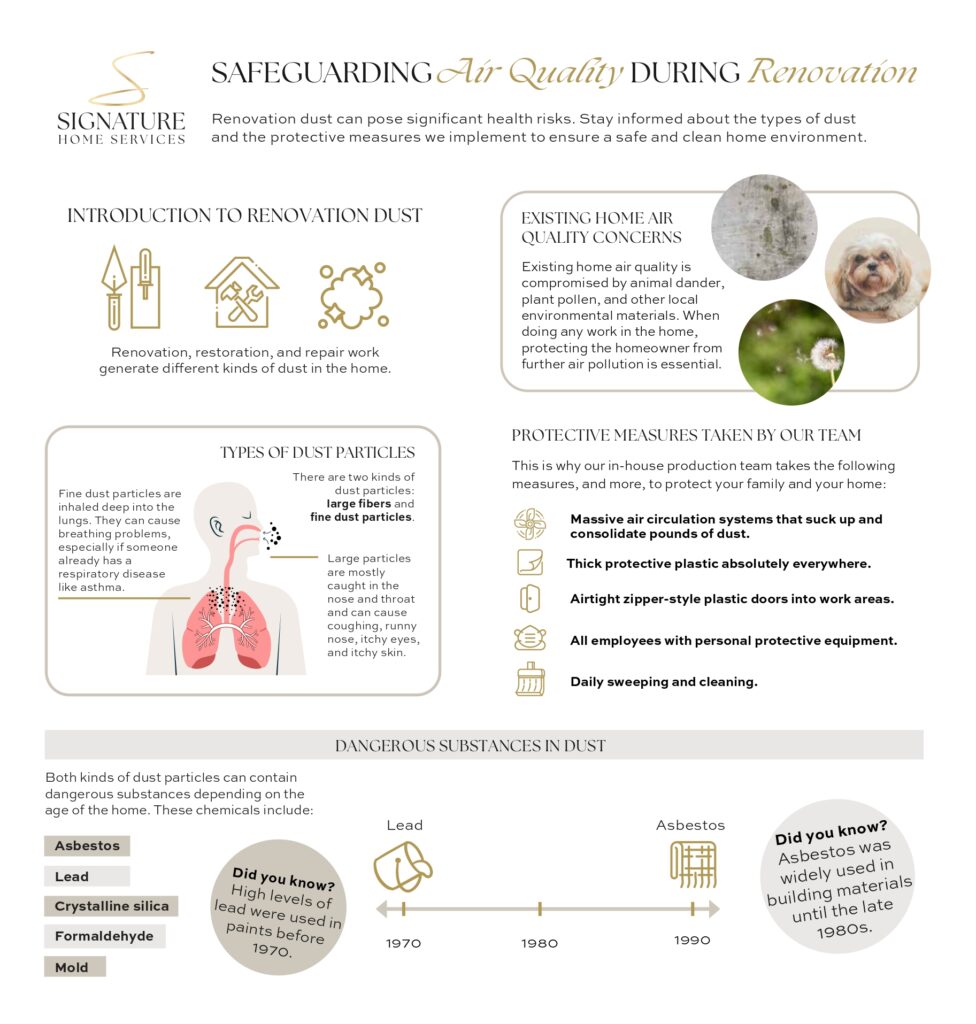
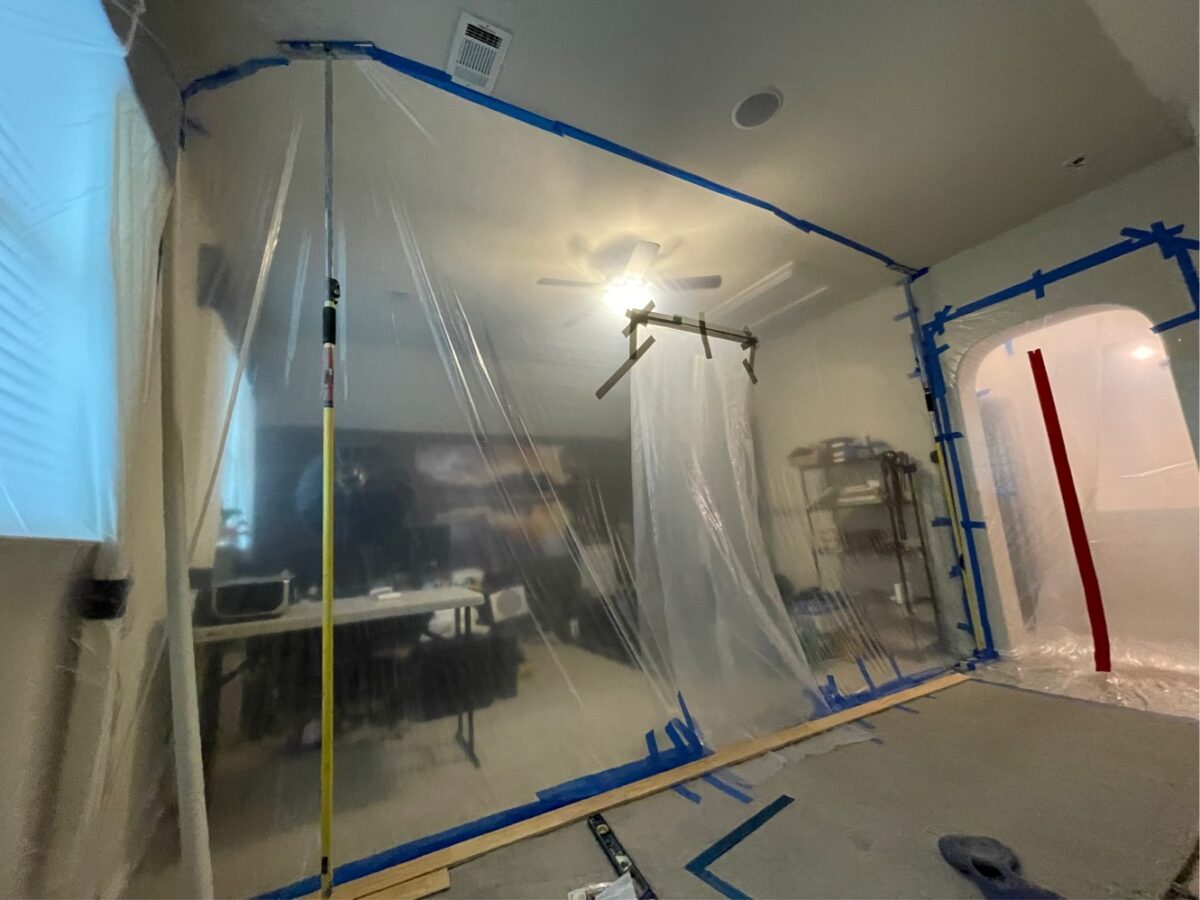
This section addresses how your home is treated during construction: dust control, site cleanliness, protection of existing finishes, safety, and minimizing disruption to your life.
Lower bids focus on the work being done, not the environment it’s being done in!! What a huge miss! By including these things, we acknowledge that most remodeling happens in occupied homes where livability is KEY.
| What to look for | What it covers |
| Dust control and site cleanliness | Measures taken to reduce dust and keep the home reasonably clean during construction. |
| Protection of existing finishes | Safeguards to prevent damage to areas not being remodeled. |
| Noise and disruption mitigation | Planning work to minimize disturbance whenever possible. |
| Site safety | Maintaining a safe environment not only for employees (because, goodness knows, you don’t want your jobsite to result in worker injuries), but also for you, your family, and pets. |
Post-construction Follow-Through
Post-construction follow-through includes final inspections, punch lists, warranty support, support documentation, and ongoing review after your project is complete.
Low bids end when the work stops. Full-service remodelers like us, however, include follow-through because none of our projects are truly complete until they perform as intended. We include post-project warranties and walk-throughs to keep your remodeled spaces looking and functioning perfectly, because that’s what we sign up for!!
| What to look for | What it covers |
| Final inspections and punch lists | Reviewing completed work and addressing remaining items before closeout. |
| Warranty support | Standing behind the work after completion if any issues arise. |
| Support documentation | Providing you with record of what was installed and how systems were built, plus how to care for products and finishes. |
| Ongoing service | Availability for future questions, adjustments, and service needs. |
By the time you have a remodeling bid in-hand and finish reviewing it, you should feel confident. You should understand exactly what’s included, what’s being managed on your behalf, and where responsibility lies on every line item.
The lowest bid looks attractive because it simplifies the picture. But remodeling is rarely simple. When you know what to look for, you regain control. You can ask your remodeler better questions. You can spot gaps before they become problems.

…Because informed homeowners don’t just choose a contractor, they choose an experience.
Contact us today to start your own Signature Experience!!
About the author:

Robin Burrill, RID, NCIDQ, ASID, IDS, CAPS, is an award-winning professional kitchen, bath, and interior designer. Robin and her husband, Robert Mathews, have owned Signature Home Services, Inc. for over three decades, establishing a superior in-house team with a widespread reputation for delivering meticulous design to their many repeat clients.
In 2022, the national publication, Kitchen and Bath Design News magazine, named Robin to their Top Innovator list in recognition of her achievements in the field of kitchen and bath design. In 2024, she was named one of the Fall 2024 Market Pros and “tastemakers” by ANDMORE at High Point Market. In 2024 and again in 2025, Fixr identified her as one of the Top Professional Interior Designers for their nationwide audience. At the start of 2025, she then acted as one of Dallas Market’s “Style Eyes” at Lightovation and Total Home & Gift Market.
Over her extensive career, Robin has been quoted in Architectural Digest and Forbes multiple times; her design work has been featured in top national trade publications; and she has been interviewed for Designers Today magazine’s “Profiles in Design” video series, among others. Widely respected for the depth of her knowledge, Robin is a sought after speaker and judge for many design industry events.
In 2023, Robin designed a bench for Charleston Forge, making her foray into product design. Robin currently serves as a volunteer on the board of the Dallas/Ft. Worth chapter of the Interior Design Society.